Lolo Zouaï turns loss into late-night catharsis on her third album Reverie
Lolo Zouaï opens up about the themes of grief on her third album Reverie, and why singers are “set up for stardom” with the girls and the gays in their corner.
Lolo Zouaï opens up about the themes of grief on her third album Reverie, and why singers are “set up for stardom” with the girls and the gays in their corner.
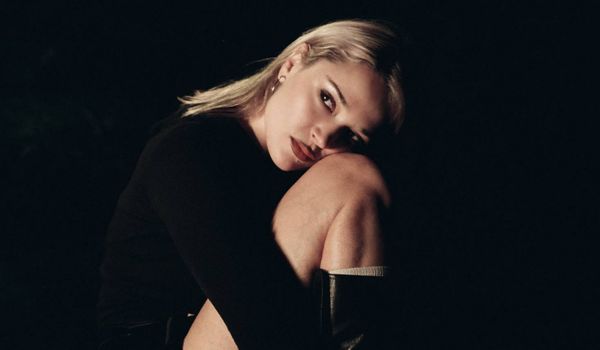
Photography by Danica Robinson
“I just want people to feel something, whether that’s sadness or wanting to shake your ass a little bit,” Lolo Zouaï says of her third studio album Reverie. Written in the aftermath of losing her best friend, it’s a project rooted in grief but one that refuses to be defined by it, drifting between haunting introspection and flashes of sun-soaked escapism (see: the inevitable gay favourite ‘Lemon Squeeze’). “It’s the kind of album you put on and get completely lost in thought,” she tells Gay Times. “Or sit in the back of a car at night, looking out the window. It’s a car album.”
Since releasing her debut single in 2016, Zouaï has fused her French background with the sounds and attitude of the West Coast, resulting in over 600 million streams, collaborations with Nike, Dior, Chanel and YSL, and supporting Dua Lipa on tour. Her songwriting credits stretch beyond her own catalogue too, including NewJeans’ dance banger ‘Right Now’ and H.E.R.’s self-titled Grammy-winning album. Along the way, she’s also built a fiercely loyal LGBTQIA+ fanbase – “If you have the girls and the gays [as fans], you’re set up for stardom,” she says. “I mean, that’s who the stans are!”
Here, Zouaï opens up about turning grief into Reverie, finding freedom in going independent and why she’s stopped chasing outside pressures in favour of something more honest. “Once there’s this expectation, it’s impossible to meet it,” she says. “So I’m just doing it at my own pace and trusting the music more.”
Hey, you did a good job! That's my Basanova, 60s, French vibe.
That was the goal. In the middle of a... It feels like a winter album to me, and then we just hit it with the summer banger.
I wanted you to feel heard and understood. To me, the album is very personal. It’s about grief and how it changed me, how I grew from it, and who I am after. I feel it’s the kind of album you put on and then get completely lost in thought, or where you sit in the back of a car at night, looking out the window. It’s a car album! So I just want people to feel something, whether that’s sadness or wanting to shake your ass a little bit — especially with ‘Lemon Squeeze.’
The song, and a lot of the album, are about my best friend who passed away. It’s about the memories I have with her, but also realising she’s no longer there. That’s why I’m hugging her and then she disappears. There are all these actions where I’m alone, and they’re things you would usually be doing with someone. At the end of the video, you see the other side of those moments, where she was there while I was charging my portable battery. She was there on the beach when I was lighting the firecracker. It’s just a story of grief and girlhood.
It was very heavy working on it. It took me three years to really get this album together and to be able to process my emotions, because I was in the middle of a giant tour right after it happened and was never able to process those feelings. It allowed me to be alone with my thoughts and feelings, to write about it, cry about it, and make something beautiful and hopeful out of something that was very difficult.
I feel good. I think that’s what people need. We need to hear these kinds of songs because so many of us are going through that. There’s so much hardship, and it’s definitely been a club era of music. We have so much of that already, and that’s amazing. I just wanted to be really honest and personal about what I’ve been going through because, in my experience, whenever I’m the most honest, those are the songs that connect the most.

It influenced me so much because it’s such an eclectic, fun city with so much history. It’s also such a diverse place, so I never felt out of place. My parents are immigrants – my dad is from Algeria, my mom is from France – and I never really felt out of place in San Francisco. That’s a beautiful thing; it’s like this beautiful melting pot of cultures. I was able to experience Bay Area music and Bay Area rap, as well as the music my dad plays – traditional Algerian rai music – and my mom’s love of the French classics. My love of R&B and pop really blended my musical taste and my personality as well. This album really represents all of those sides.
I was going to say That’s So Raven! And was Mrs Doubtfire in San Francisco?
Robin Williams lived in San Francisco, and I remember I met – well, I don’t remember, I was a baby – but I met him one time at Toys “R” Us. We would always go to his house for Halloween because we’d go to the rich neighbourhoods to get the best candy. His house would always give out king-size candy. Thank you, Robin!
I think he was there, but I don't remember. I was so young, but I remember it was always like, ‘We have to go to Robin Williams' house!’
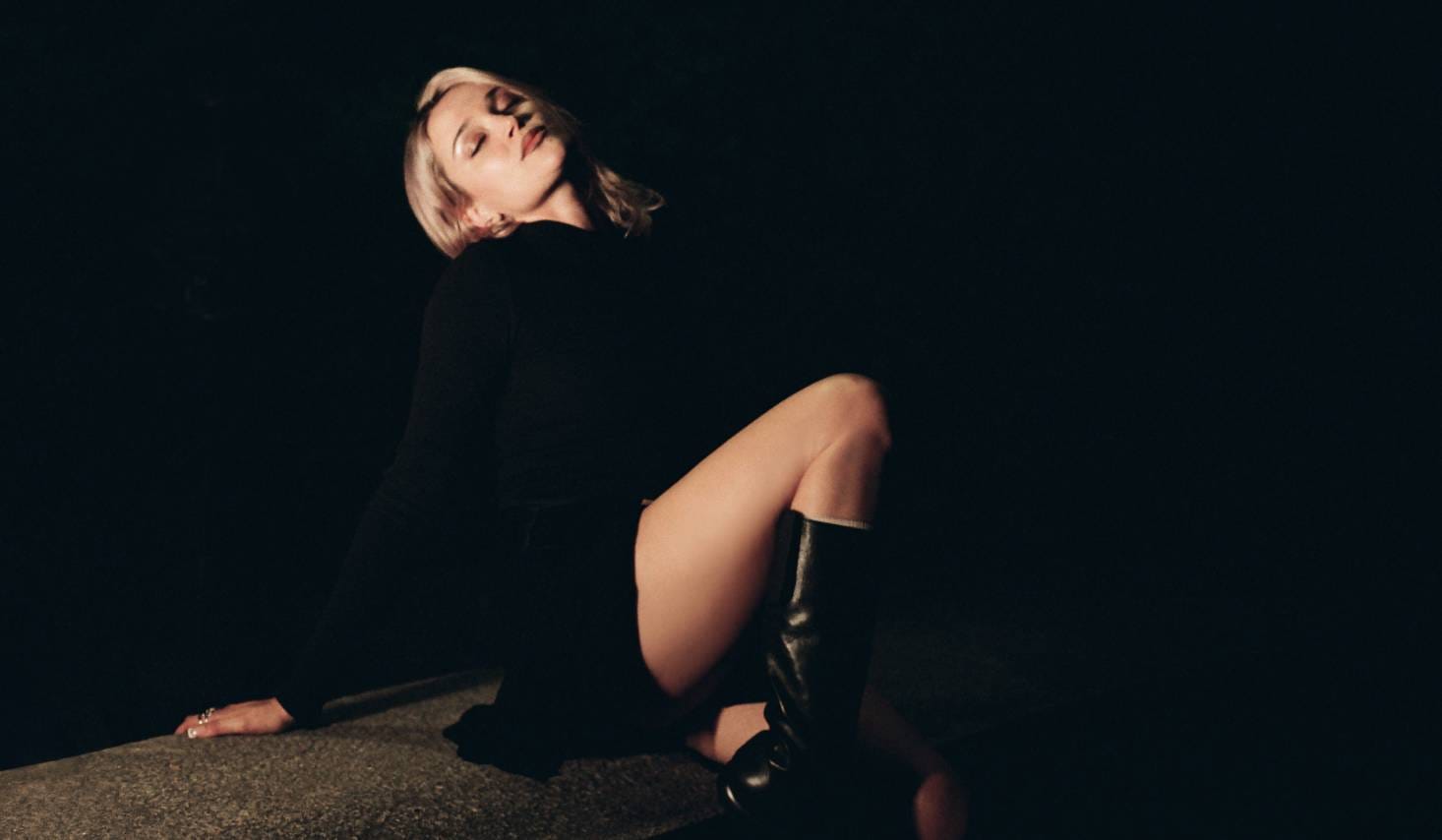
It's the gayest place ever. I mean, I would go to all the Prides in high school, and those were my best and most fun experiences. I didn't even realise that it was a thing. You know what I mean?
You're not wrong. You need to come to San Francisco, though.
Well, that's the thing. I feel like I didn't even realise that that was different? I just kind of grew up around a lot of queer people. I mean, I'm always surrounded by queer people. Now I live in New York, so a lot of my fans [are queer].
The biggest gag? Hmm, maybe either ‘100’ or ‘Lemon Squeeze,’ because I feel like those are the most club-ready. You said you like ‘Lemon Squeeze.’ Maybe ‘Baggy Jeans’ too. I don't know!
It means everything to me, because it means that I've created a safe space for people to be themselves at my shows. I surround myself with a lot of queer people. I also think that if you have the girls and the gays, you're set up for stardom. I mean, that's who the stans are!
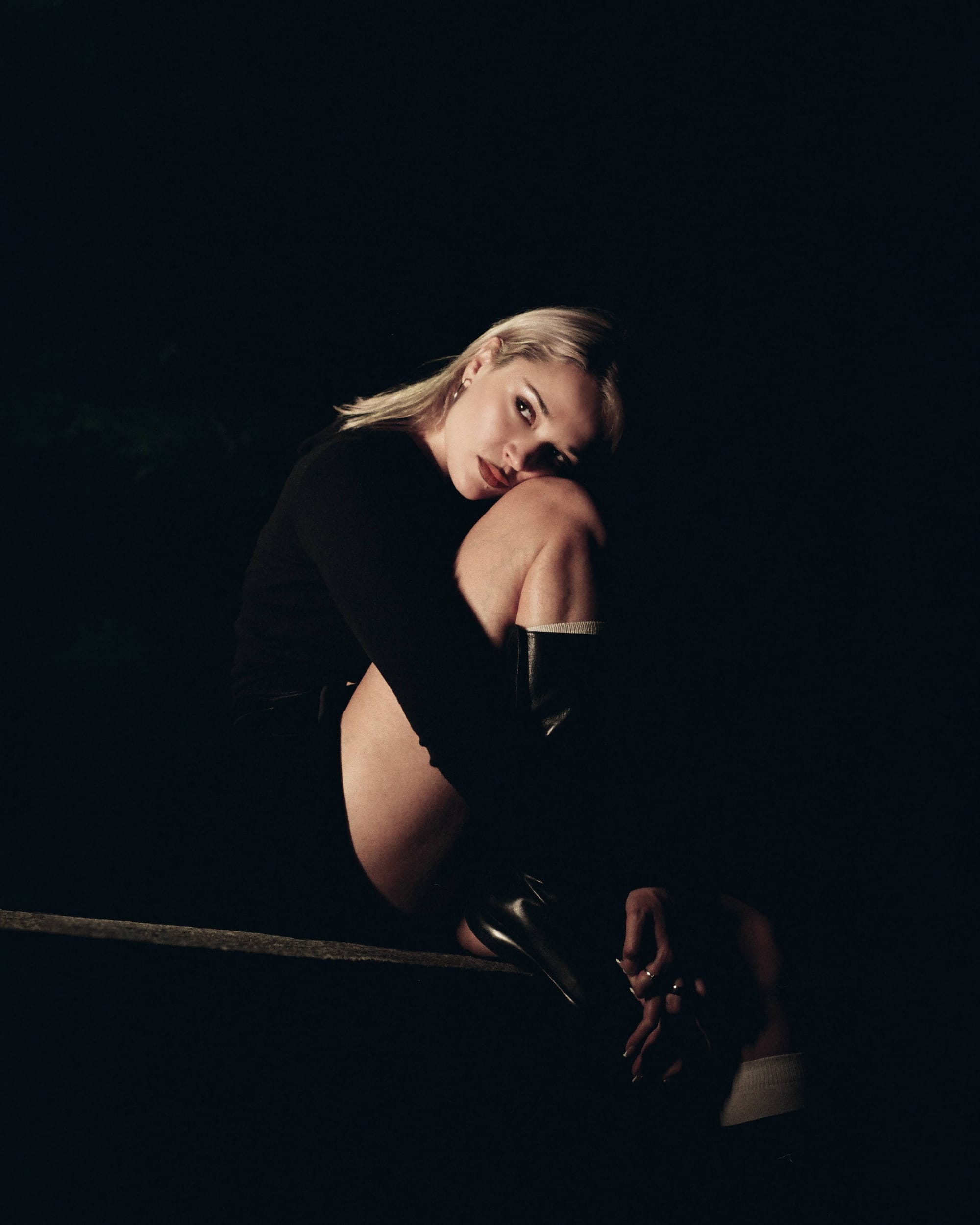

I always felt like I was in control, but I think that subconsciously I was trying to be more of a pop star before. Now I’m like, ‘I just want to be me, an artist, take my time.’ I don’t want to put this expectation… once there’s this expectation, it’s impossible to meet it. So I’m doing it at my own pace and trusting the music more. I also think with major labels, if you don’t sell a certain amount of records or whatever, they’re not going to care anymore. They have so many big artists that are making them money that they don’t really care about the small artist – even if they signed you, because they supposedly believe in your art. It’s just like a bank.
Maybe. Maybe not. When I was with RCA, they didn’t give me any feedback or anything. It was like, why am I even on a major? I do think that being independent allowed me to have more time to actually make something that feels authentic and not rush it. So, thank you for that, because the best thing a project can be is authentic. That’s always been the case – since the beginning, what I’ve tried to do is be myself. But of course, sometimes you grow and change and it’s hard to know what is authentic. Then you just realise, ‘Wait, no… dial it all back!’ It’s just me doing my thing.
I want people to feel like they can do the same thing. Not necessarily musically, but that they can also be their authentic self no matter what. That vulnerability and confidence can coexist. You can be somewhat hurt and broken, but also be able to come out of it and flex on them a little bit. You know what I’m saying? It’s not just one thing. I want people to feel heard and seen, and for those who are going through grief, to be able to go through it and maybe hear something they’re feeling but don’t know how to express. Yeah. I think I want people to cry, too! I want people to let their emotions go and fall into a Reverie.
Reverie is out now.
£6.49 Monthly
£60 Annually
Cancel anytime
No results found. Try a different search.